
Nestled in the arid yet resilient landscape of Turkana, Kenya, Natoot Farm stands out as a beacon of transformation. Powered by local ambition and supported by Bright Hope, this innovative community farming initiative is more than just a source of food. It has paved a pathway to sustainability, dignity and self-reliance for vulnerable families in the region.
As we look ahead, Natoot Farm is gearing up for a pivotal year as it shifts from a support-heavy model to a thriving, community-led agribusiness. Here’s what’s in store for the year ahead.
Strategic Crop Focus: Fewer Crops, Greater Impact
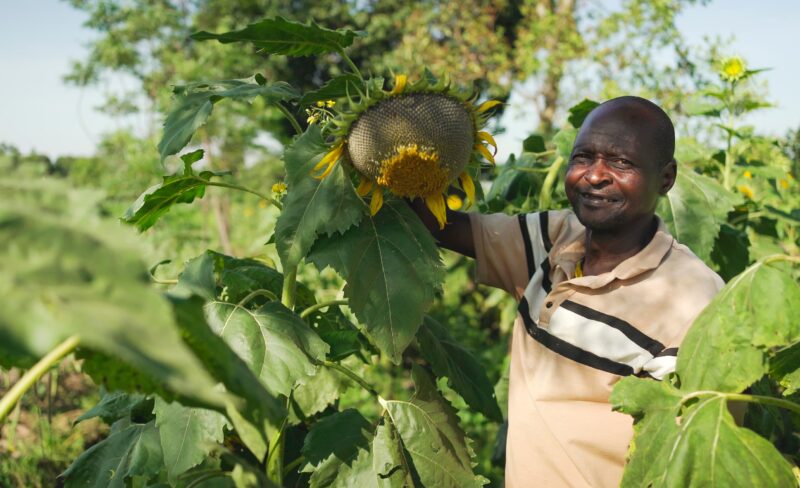
After seasons of experimentation, Natoot Farm is narrowing its focus from 11 different crops down to just three: butternut squash, tomatoes, and watermelon. These choices reflect high-value crops with strong local market demand, fast maturity rates and higher profit potential.
By simplifying operations and focusing on what works best, Natoot Farm aims to:
- Increase profitability
- Reduce operational complexity
- Optimize training and resource allocation
- This crop focus will empower farmers to specialize, deepen their expertise, and maximize harvest returns.
Integrated Farming: Adding Chickens to the Mix
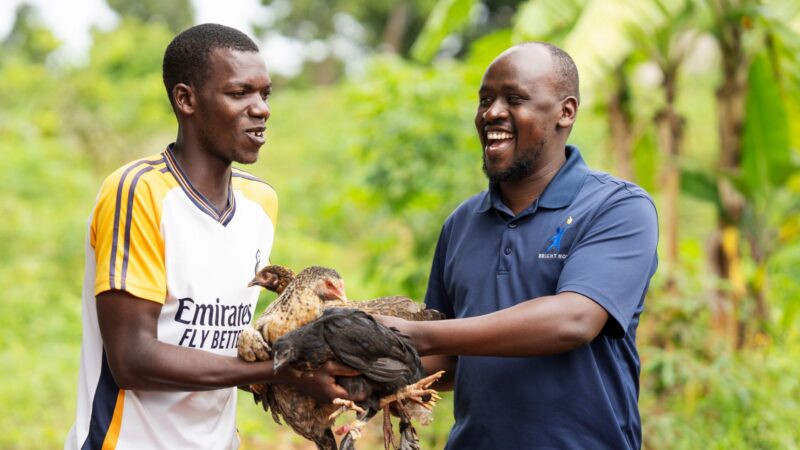
To diversify production and build a more sustainable system, Natoot Farm has introduced integrated farming. While goats are commonly raised in the region, they don’t bring much value to an already saturated market. Instead, the farm will begin raising chickens, offering a high-value product with strong market potential.
This approach not only complements the farm’s crop production but also strengthens food security and income streams.
Infrastructure Development: Smart Storage for Better Farm Yields
Post-harvest losses have long plagued the farm, especially under the harsh Turkana sun. Currently, farmers store produce under iron sheets beside solar panels. Unfortunately, this setup fails to protect heat-sensitive crops, such as butternut squash.
To solve this problem, the farm will construct a dedicated storage facility in a naturally cooler area on-site. An engineer has already started to design the structure, which will:
- Preserve harvest quality
- Reduce waste
- Extend shelf life
- Improve bargaining power in the market
Data-Driven Economics: Training Farmers in Agribusiness
Economic self-reliance forms the backbone of Natoot’s long-term vision. Until now, Bright Hope has supplied nearly all farm inputs, including seeds, fertilizers and chemicals. But this model is unsustainable.
Over the next year, Natoot Farm will:
- Shift toward a cost-sharing model (25% Bright Hope, 75% self-supported)
- Implement detailed cost-tracking to understand the real cost of production
- Train farmers in agribusiness principles to build accountability and ownership
- This will lay the foundation for a more empowered, economically savvy farming community.
Transportation Investment: Cutting Out the Middlemen
One of the most pressing barriers for Natoot farmers is transportation. Without a vehicle, they’re forced to sell produce at the farm gate for minimal prices, often to exploitative middlemen.
The solution? They want to purchase a dedicated farm vehicle. With this investment, farmers will:
- Access larger markets like Lodwar and the Kakuma Refugee Camp
- Sell directly at fair prices
- Boost profits and reduce dependency
- Move toward economic independence and expand the farm’s reach

Key Challenges the Farm Must Tackle
Natoot Farm is actively addressing the following hurdles on its journey toward independence:
- Inadequate storage that leads to post-harvest losses
- Lack of transportation to better markets
- Overreliance on donor support for farm inputs
- Slow, manual land preparation methods that reduce efficiency
Here’s how the farmers are responding:
- Tool and Equipment Investment: hand-held mechanized tools for faster land preparation and planting
- Economic Modeling: clear cost-return tracking to build transparency and financial responsibility
- Infrastructure Upgrades: centralized, cool storage space to preserve quality
- Transportation Investment: a vehicle to access markets and improve farmer profits
The Goal: A Community-Led, Self-Sustaining Farm
With their ultimate objective in view, Natoot Farm plans to reduce dependency on Bright Hope from 100% to 25% in one year.
By transitioning to a community-led agribusiness model, the Natoot Farm will empower local farmers with the tools, knowledge and infrastructure they need to thrive long after external support has faded.
Truly, this is more than just a farm! It illustrates what is possible when local communities feel equipped to lead their own development.
Follow along with us at Natoot Farm as we plant seeds of change, nurture hope and harvest a future filled with promise.